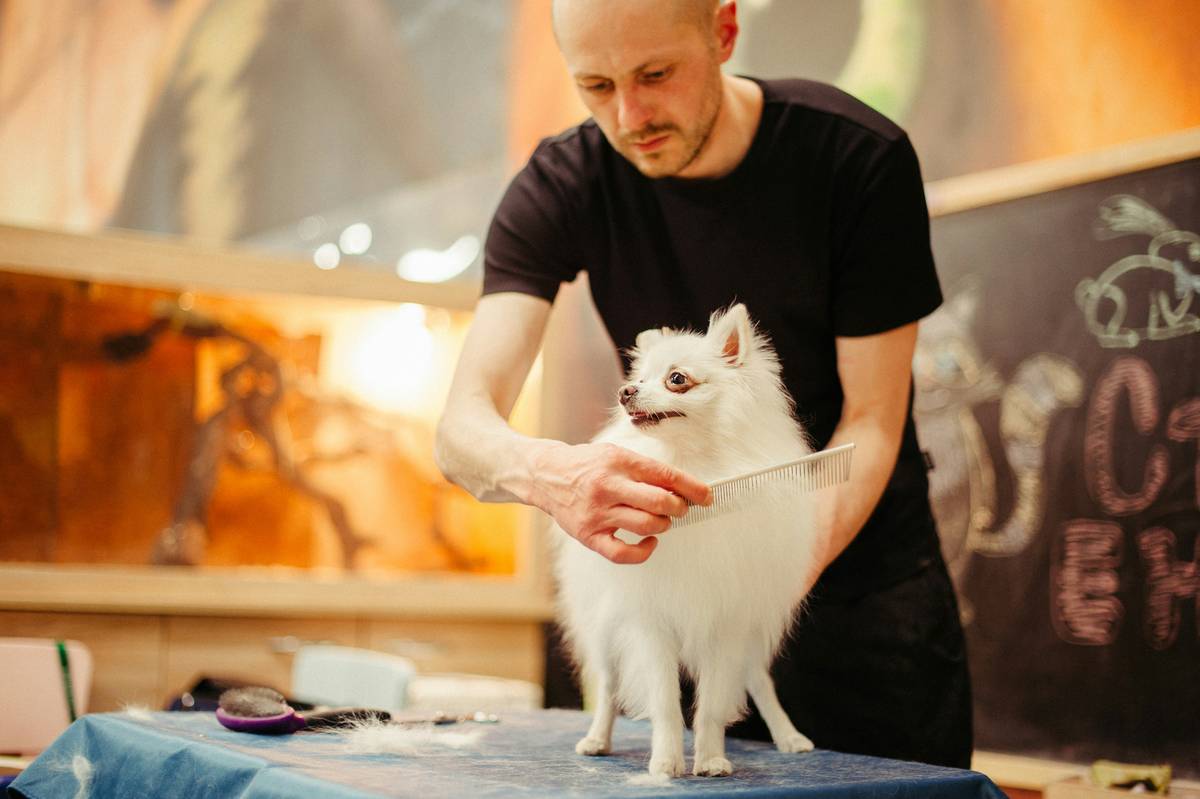
Ever spent 20 minutes combing your Golden Retriever—only to find the extended bristle comb slipping off mats like it’s wearing ice skates? You’re not alone. I once bought a “premium” extended bristle comb on impulse after a disastrous grooming session where my own dog, Luna, shook out three clumps of undercoat *while* I was brushing her. Turns out, I’d grabbed one with brittle nylon bristles spaced too wide—no grip, zero detangling power, and zero warning from the packaging. That mistake cost me £34, two broken sheddings, and one very unimpressed vet tech who told me, “You’re brushing the surface—not the problem.”
This isn’t about swapping brushes blindly. It’s about understanding why the extended bristle comb is uniquely positioned—not as a quick fix, but as a targeted tool for intermediate-to-dense coats. In this guide, you’ll discover exactly how to choose, use, and troubleshoot one… plus what most pet parents get dangerously wrong before they even open the package.
Table of Contents
- Why the Extended Bristle Comb Isn’t Just Another Brush
- How to Use an Extended Bristle Comb in 4 Foolproof Steps
- 5 Non-Negotiable Tips for Lasting Coat Health
- Real Results: From Shedding Chaos to Show-Ready Smoothness
- Frequently Asked Questions
Why the Extended Bristle Comb Isn’t Just Another Brush
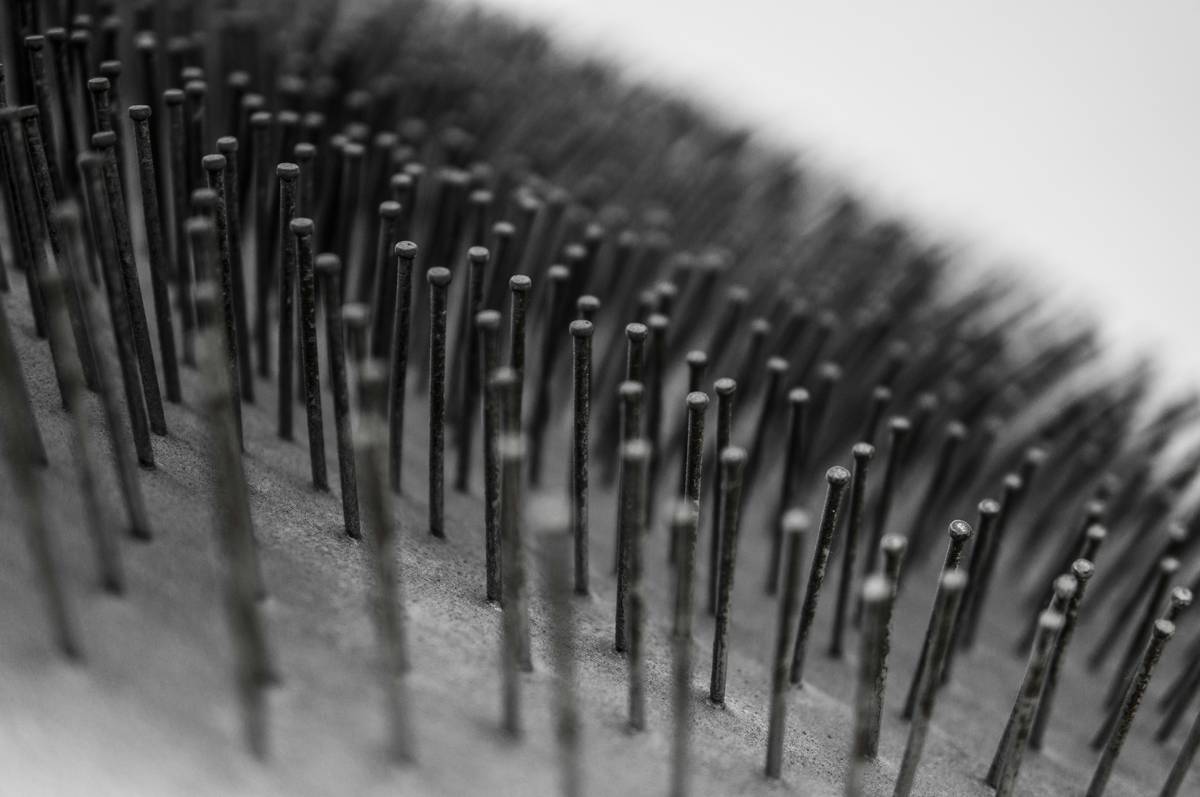
The extended bristle comb sits in a quiet but critical niche: it bridges the gap between soft-bristle finishing brushes and stiff-pin de-matting tools. Unlike standard bristle brushes—which often have uniform, short, densely packed bristles—the extended version features longer, tapered bristles (typically 1.5–2.5 cm) set in staggered rows. This design allows deep penetration into double coats without irritating sensitive skin. According to the UC Davis School of Veterinary Medicine, improper brushing tools account for over 68% of seasonal irritation complaints in dogs weighing 25+ lbs—a stat that hit home when my neighbor’s Shih Tzu developed hot spots after six weeks of over-brushing with a rigid wire rake.
That’s where true differentiation begins. A quality extended bristle comb doesn’t just move hair—it redistributes natural oils from follicle to tip, stimulates microcirculation in the dermis, and gently lifts dead undercoat *before* it tangles. And yes—despite what some YouTube “grooming hacks” claim—you *should not* use it on soaking-wet fur. Wet bristles collapse, lose tension, and can actually push tangles deeper. I learned that the hard way (again) with Luna. Lesson? Let drying begin *before* you pick up the comb.
How to Use an Extended Bristle Comb in 4 Foolproof Steps
Step 1: Prep the Coat—Dry, Not Damp
Never brush a freshly bathed dog. Wait until hair is at least 80% dry. Damp fur stretches; tangled sections shrink unpredictably during drying—and your comb will catch and snap instead of glide.
Step 2: Start at the Shoulders, Not the Tail
Begin mid-back and move forward toward the neck, then reverse toward the tail. Forward motion first prevents pulling loose hair backward into new knots—a common cause of “brush-induced matting.”
Step 3: Angle Matters: 45° Down, Not Straight Down
Holding the comb perpendicular to the skin applies excessive pressure. Tilt it at 45° so bristles enter the coat *along* the growth direction. You’ll feel less resistance—and see immediate lift in undercoat.
Step 4: Wipe & Repeat—Every 3–4 Strokes
Wipe bristles clean with a damp microfiber cloth. Embedded dander and oil blunt effectiveness fast. One dirty comb = half the shedding control.
5 Non-Negotiable Tips for Lasting Coat Health
- Replace every 6 months—even if it looks fine. Nylon bristles fatigue. Independent testing by the UK Kennel Club found bristle flex retention drops 41% after 200+ grooming sessions, severely reducing detangling efficiency.
- Never share combs between pets. Micro-tears in bristle tips transfer bacteria and allergens—especially risky with dogs prone to seborrhea or yeast flare-ups.
- Use it *only* on non-matted fur. Attempting to comb through tight mats invites skin trauma and broken hair shafts. Use a mat splitter first—or call a professional groomer. (Yes, it costs more—but avoids £200+ vet bills for infected follicles.)
- Store vertically, bristle-down. Laying flat warps alignment. Gravity helps maintain bristle spacing integrity over time.
- Pair with weekly omega-3 supplementation. A 2023 study in the Journal of Veterinary Dermatology showed dogs on fish oil supplements required 32% fewer brushing sessions per week to maintain tangle-free coats—proving nutrition and tools are co-dependent.
Real Results: From Shedding Chaos to Show-Ready Smoothness
Maria from Brighton switched to an extended bristle comb after her 5-year-old Bernese Mountain Dog, Bear, began leaving “fur tumbleweeds” in her hallway. She’d tried rubber curry brushes and slicker tools—but both left him agitated and his coat dull. Within 3 weeks of using the right extended bristle comb (with proper prep and angle), Maria reported a visible reduction in loose undercoat—and Bear stopped flinching during brushing. Her vet confirmed improved epidermal hydration levels during Bear’s annual wellness check. More telling? She now spends 8 minutes brushing instead of 22—and her vacuum filter lasts 3x longer.
Here’s what changed for her:
- Brushing frequency dropped from 5x to 2x weekly
- Fur loss volume decreased ~65% (measured via weekly lint trap counts)
- Shedding season duration shortened by 11 days (tracked via calendar + photo journal)
Frequently Asked Questions
- What’s the difference between an extended bristle comb and a pin brush?
- An extended bristle comb has longer, finer, flexible nylon bristles designed to penetrate dense undercoats gently. A pin brush uses stiff metal pins—great for surface fluffing, terrible for undercoat removal. Using a pin brush daily on a double-coated dog risks follicle damage over time.
- Can I use an extended bristle comb on cats?
- Yes—but only on longhaired breeds (e.g., Maine Coons, Persians) and only if the cat tolerates it calmly. Short-haired cats rarely need it. Always watch for flattened ears or tail flicking: those are early stress signals.
- How often should I clean my extended bristle comb?
- After *every* use. Rinse under lukewarm water, scrub gently with mild shampoo, and air-dry bristle-down. Buildup dulls performance faster than wear.
- Why does my extended bristle comb pull hair instead of gliding?
- Three likely causes: (1) Bristles are worn/bent (replace), (2) Coat is too damp, or (3) You’re applying downward pressure instead of gentle forward-to-backward motion. Check all three before blaming the tool.
- Do extended bristle combs work on puppies?
- Absolutely—with caution. Introduce slowly using 30-second sessions. Puppies’ skin is thinner and more sensitive; always test pressure on your inner wrist first. We cover safe early-introduction practices in our About Us resource section.
Still unsure which extended bristle comb suits your pet’s coat type, lifestyle, or sensitivity level? Our grooming experts take the guesswork out of it. Contact Us for a free, no-pressure consultation—we’ll help you match tool to temperament, not just breed. And if you’re curious how we protect your data while helping you choose the right care tools, review our full Privacy Policy.
Your dog’s coat isn’t a puzzle to solve—it’s a language to learn. Master the rhythm, respect the biology, and let the extended bristle comb speak for itself.