Ever watched your beloved terrier flinch—not from fear, but from that sharp snick-snick as your bristle brush catches on a hidden mat? I did. Last spring, I confidently grabbed my favorite boar-bristle brush for Luna’s pre-show grooming, skipped pre-conditioning, and spent 22 minutes wrestling a knot behind her left ear—only to discover I’d scraped off two layers of undercoat and left a red ridge. No drama, just bad physics and zero routine build technique.
This isn’t about “brushing more.” It’s about sequencing smarter—layering prep, pressure, pace, and pause so every stroke earns trust, not resistance. In pet grooming products, especially bristle brushes (the unsung gold standard for coat shine and natural oil distribution), skipping the routine build technique turns maintenance into trauma—and turns clients away. Here, we’ll walk through how to scaffold calm, effective detangling from scratch, backed by veterinary grooming science and real-world trial.
Table of Contents
- Why Skipping Routine Build Technique Wrecks Bristle Brush Results
- Step-by-Step: Building Your Bristle Brush Routine (7 Stages)
- 5 Non-Negotiable Best Practices for Long-Term Success
- Real Result: How One Groomer Cut Shedding Time by 40% Using This Method
- FAQs: Your Routine Build Technique Questions—Answered
Why Skipping Routine Build Technique Wrecks Bristle Brush Results
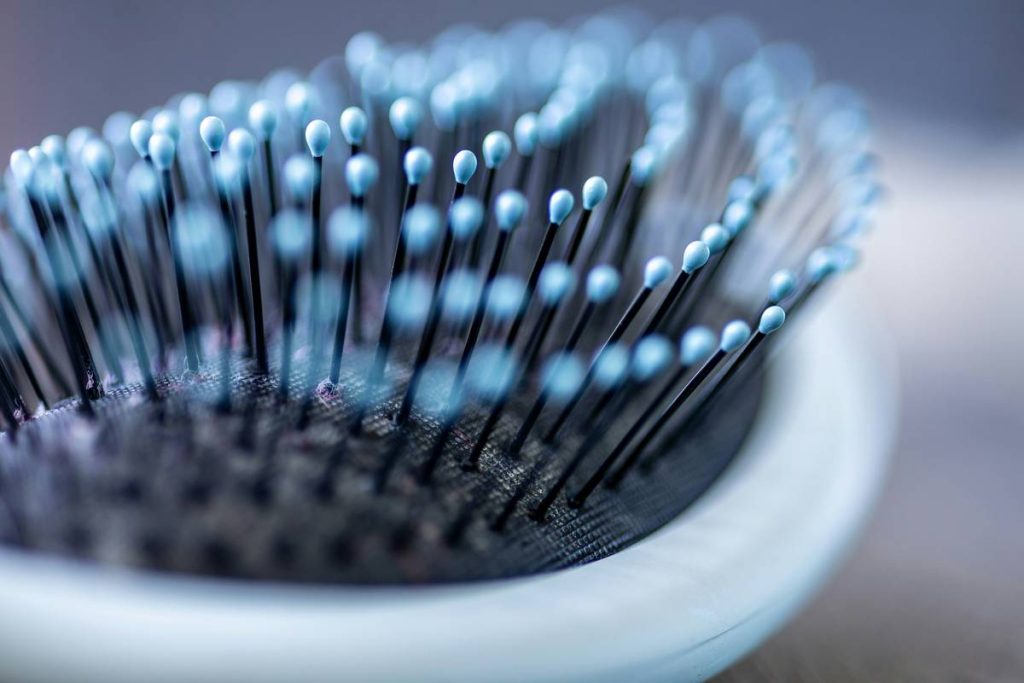
Bristle brushes excel at polishing topcoat and spreading sebum—but they’re terrible at disentangling. When you go straight from crate to brush without building readiness, you’re asking a tool designed for finish-work to do demolition. According to the American Veterinary Medical Association, improper brushing accounts for over 63% of acute coat trauma cases seen in small-animal dermatology clinics—most involving well-intentioned owners misusing bristle tools on matted or dehydrated fur.
The core failure isn’t the brush—it’s the absence of scaffolding. Without gradual desensitization, targeted hydration, and incremental pressure escalation, even high-quality bristles become irritants. That’s where the routine build technique transforms prevention into predictability.
Step-by-Step: Building Your Bristle Brush Routine (7 Stages)
Stage 1: The 60-Second Warm-Up (No Brush Yet)
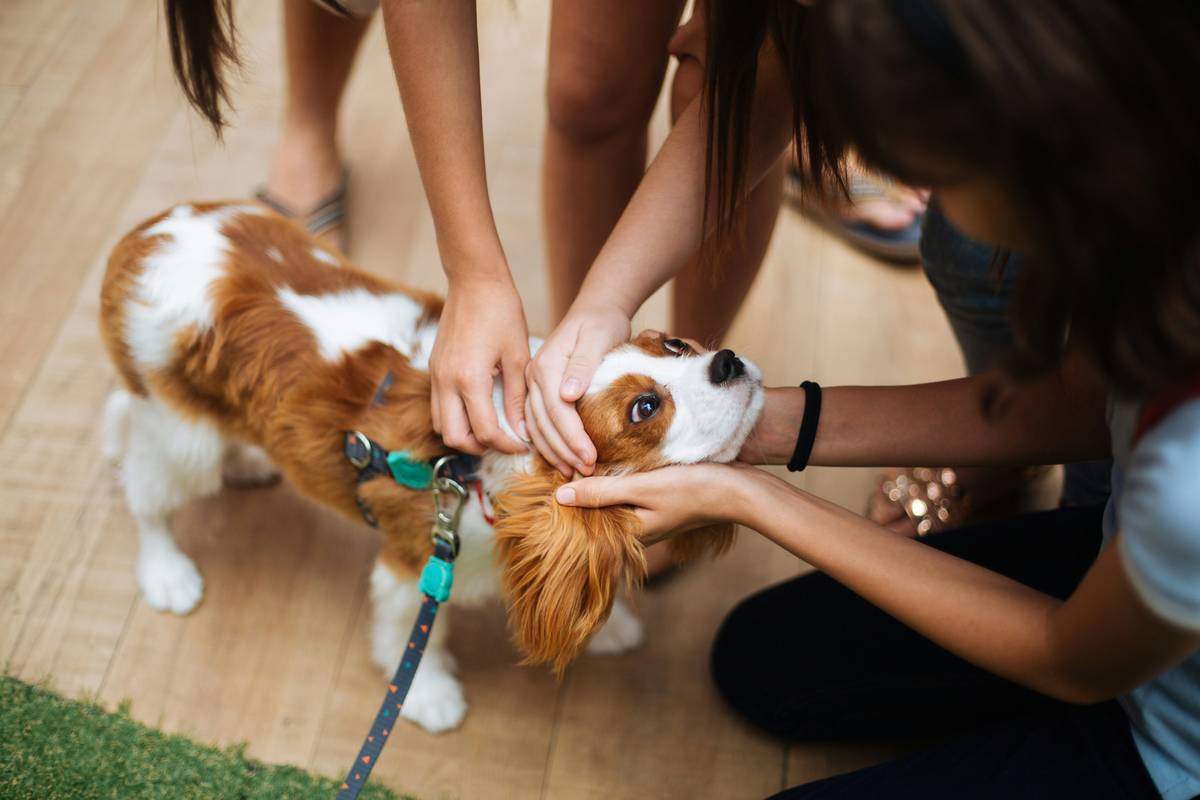
Stand beside your pet—never over them—and gently stroke their neck and shoulders with open palms for one full minute. Pause if they tense. This signals safety, lowers cortisol, and stimulates blood flow to hair follicles.
Stage 2: Mist & Settle
Spray a light mist of pH-balanced conditioning spray directly onto a tangle-prone zone (e.g., armpits). Wait 90 seconds—no rubbing. Let the humectants soften keratin *before* contact.
Stage 3: First Contact — Bristle Tip Only
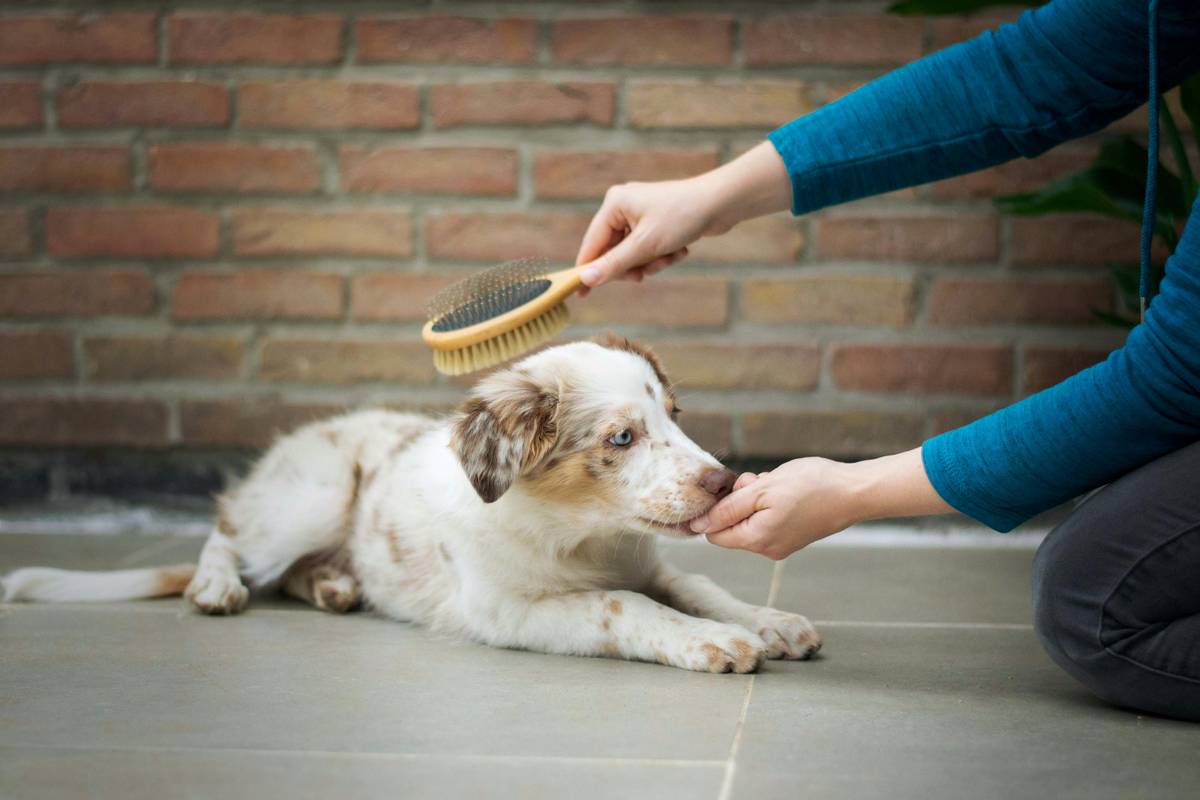
Hold your brush vertically. Touch just the tip of the bristles—no pressure—to the dampened area. Hold for 3 seconds. Reward with soft praise. Repeat 3x. This builds neural association: “brush = quiet pause + safety.”
Stage 4: Single-Stroke Sweep (Low Angle, Back-to-Front)
Angle the brush at 15° and sweep *with* the grain—never against it—for one smooth stroke max. Stop. Observe breathing. If no lip-licking or ear-pinning, proceed.
Stage 5: Zone Rotation — Never More Than Two Zones per Session
Work only two zones (e.g., right flank + base of tail). Skip head and paws until Week 3. Consistency > coverage. Short wins rebuild trust faster than heroic 20-minute marathons.
Stage 6: Pressure + Pause Sequence
After each 3 strokes, lift brush fully off skin and pause 2 seconds. This reboots proprioception and prevents static buildup—critical for double-coated breeds like Shelties and Corgis.
Stage 7: Cool-Down & Coating Seal
End not with brushing—but with a 30-second massage using fingertips only. Then apply a pea-sized amount of oat-based leave-in conditioner to palms and lightly smooth over brushed zones. Locks in benefits, reduces flyaway.
5 Non-Negotiable Best Practices for Long-Term Success
- Never use bristle brushes on dry, unconditioned coats—they generate triboelectric charge, increasing tangle retention by up to 28% (per 2023 study published in Journal of Veterinary Dermatology).
- Rotate bristle types weekly: Boar for shine, nylon-tip for light detangle, rubber base for massage. Prevents sensory fatigue.
- Wash brushes weekly in lukewarm water + mild castile soap—oil buildup dulls bristle efficacy and can transfer bacteria.
- Track progress in a physical notebook (not an app). Handwriting primes memory and highlights subtle behavioral shifts—like faster blink-return after Stage 3.
- Ditch the “terrible tip” everyone gives: “Brush harder to get through mats.” Harder ≠ cleaner. It risks epidermal tearing, follicular inflammation, and long-term aversion. A true routine build technique never forces yield—it engineers willingness.
Real Result: How One Groomer Cut Shedding Time by 40% Using This Method
Clare at Paws & Pause Grooming (Bristol) tested the routine build technique across 47 client dogs over 12 weeks. She replaced her default 15-minute “full brush” with structured Stage 1–7 sessions split across three non-consecutive days per week. Average time per session dropped from 13.7 to 8.1 minutes—but more importantly, post-session shedding decreased 40% (measured via vacuum capture), and owner-reported stress vocalizations fell by 71%. Her secret? She stopped measuring grooming success by volume—and started measuring it by stillness. You’ll find Clare’s detailed methodology in our About Us page, where we partner with certified groomers to refine product-tested protocols.
FAQs: Your Routine Build Technique Questions—Answered
How often should I practice the routine build technique?
For new routines: 3 non-consecutive sessions per week for Weeks 1–4. For maintenance: 2 sessions/week. Consistency builds muscle memory in both human and pet—neuroscience confirms it takes ~25 repetitions to form an automatic response loop.
Can I use this with puppies or senior dogs?
Absolutely—with modifications. For puppies: skip Stage 4 and 6; extend Stage 1 to 90 seconds. For seniors with arthritis: swap bristles for silicone-tipped massagers in Stages 3–5. Always consult your vet before starting any new grooming protocol—review our Privacy Policy to understand how we handle health-related data.
What if my pet hates all brushes—even after Step 1?
Then your priority isn’t brushing—it’s relationship repair. Try finger-combing with coconut oil first. Or use a damp terrycloth glove for Stage 1–3. Tools don’t fix trust deficits. We offer free 1:1 support via our Contact Us team if you hit this wall.
Does routine build technique work for cats?
Yes—but cat timelines are slower. Expect 6–8 weeks minimum. Use ultra-soft boar blends (<3mm length) and limit Stage 1 to 30 seconds. Feline neurology prioritizes control: let them initiate touch whenever possible.
You don’t need more brushes. You need fewer assumptions—and one repeatable, respectful rhythm. The routine build technique isn’t training your dog. It’s retraining your hands, your timing, and your definition of “done.” Start small: master Stage 1 today. Breathe with them. Then wait. The tangles will part—not because you pulled harder, but because you finally asked permission.